Halton Region covers four municipalities and just about every kind of house: lakeside neighbourhoods, heritage streets, large new subdivisions and rural properties. The physics of keeping warm is the same everywhere. Where to start is not, because it depends on the house you have.
This guide begins with what applies to every Halton home, then looks at each community.
What applies everywhere
Three steps, in this order.
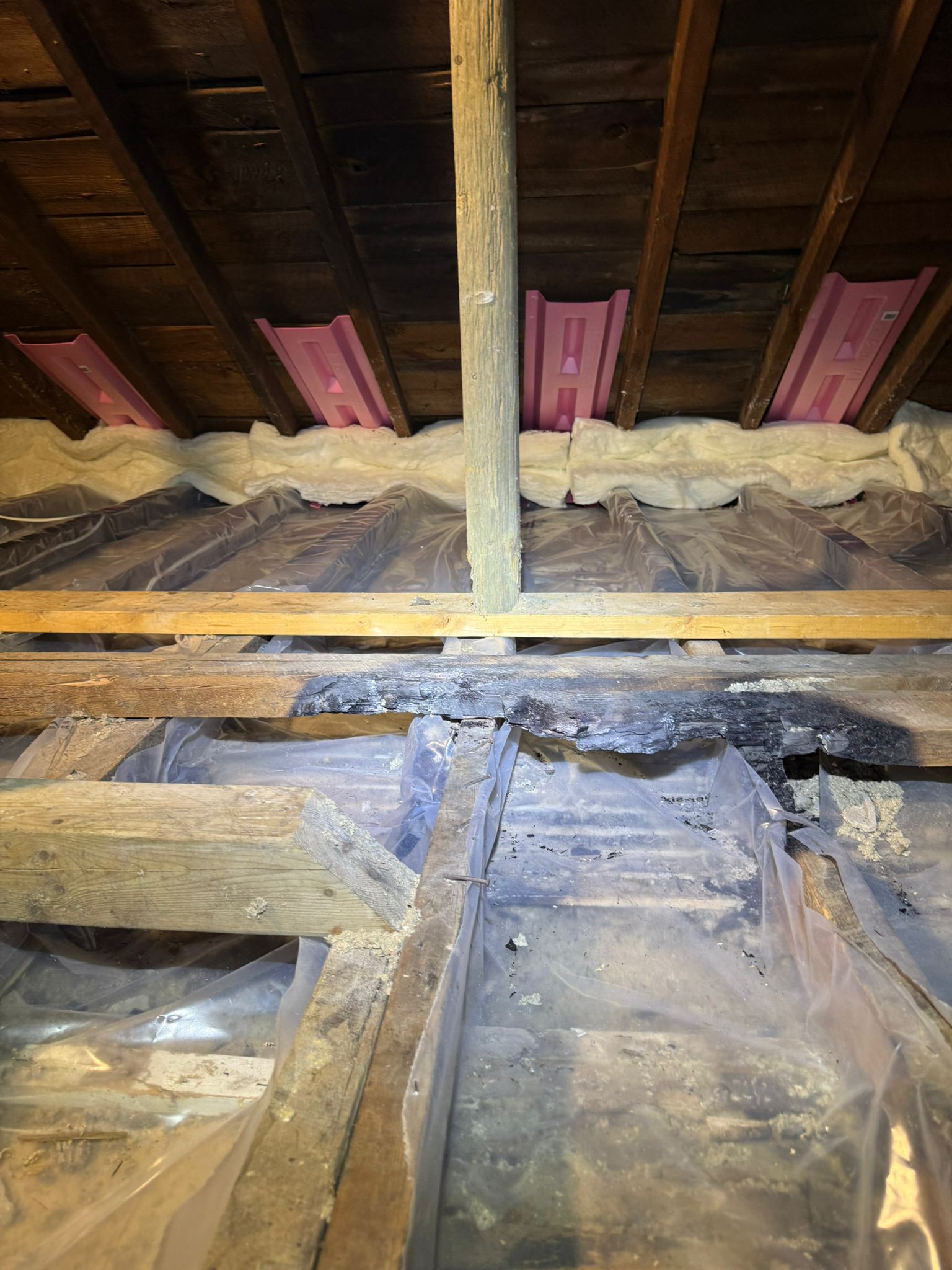
1. Seal the attic. Natural Resources Canada’s Roofs and attics guide says air leaks around chimneys, vents, plumbing pipes and electrical boxes can account for substantial heat loss and lead to moisture problems.
2. Ventilate it. Baffles keep soffit vents clear so the roof deck stays dry.
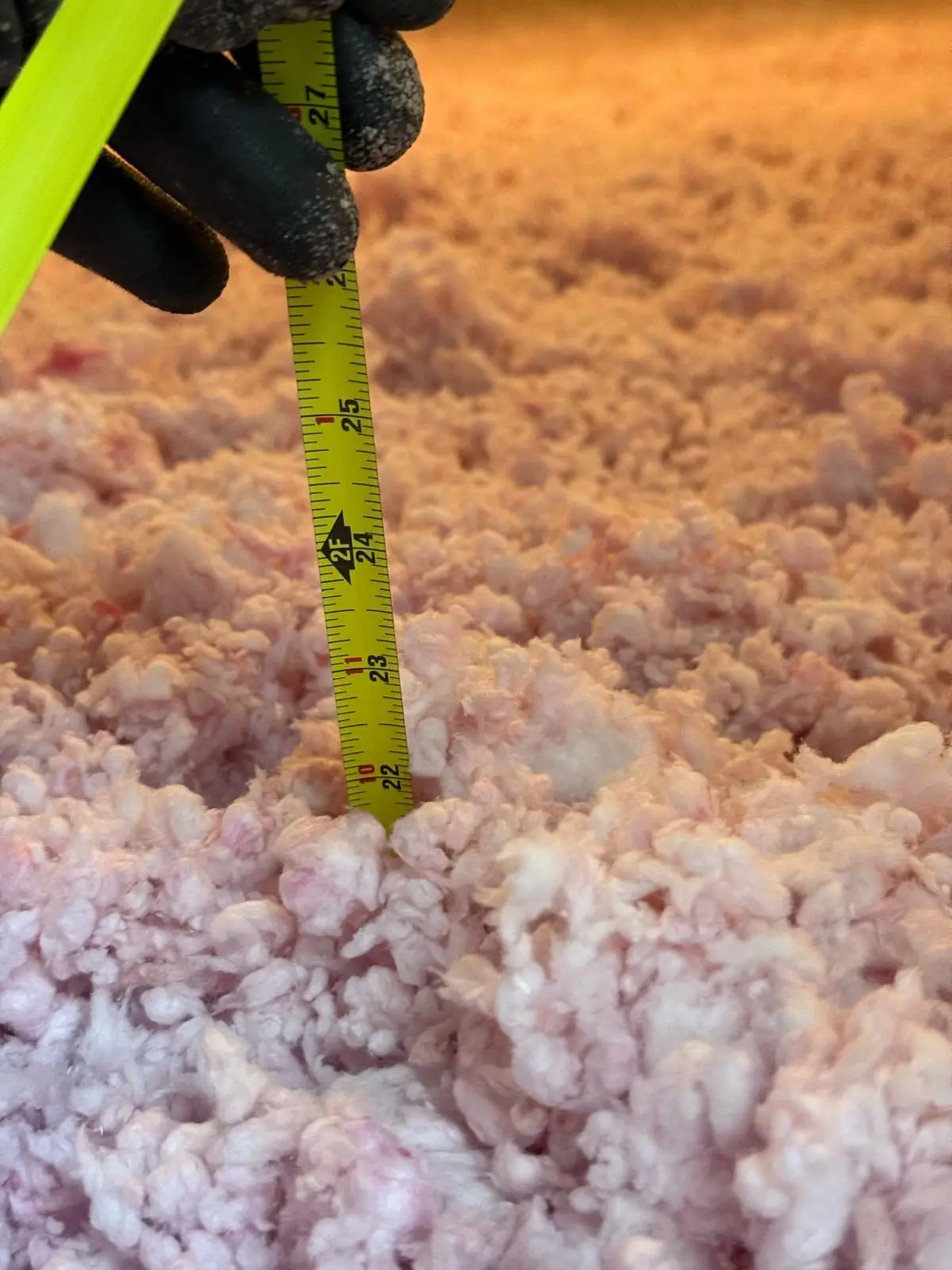
3. Insulate it. Our attic insulation service in Halton installs blown-in cellulose and fibreglass. If existing material is wet, mouldy or contaminated, removal comes first. See attic mould and insulation removal in Halton.
To check your own attic, use the signs you need an upgrade before winter.
Burlington
Burlington has many established neighbourhoods with homes that are several decades old. In houses of that age, the original attic insulation is often well short of current expectations, and bungalows and split-levels have a lot of ceiling relative to their size.
Where to focus: an attic top-up with air sealing, and the rim joist in the basement.
Oakville
Oakville mixes older and heritage homes with newer builds. Older houses may have had kitchens and bathrooms renovated more than once while the attic and walls were left as built.
Where to focus: attic insulation and ventilation, plus wall cavities in older homes, where drill and fill insulation avoids opening finished walls.
Milton
Much of Milton’s housing is recent. Newer homes are generally tighter, but blown-in insulation can settle or be disturbed, and two-storey layouts often have a cold room above the garage.
Where to focus: checking attic depth, and garage ceiling insulation for that one cold room.
Halton Hills: Georgetown, Acton and the countryside
Here you find older small-town homes and rural properties on open land. Exposure to wind makes air leakage a bigger factor, and older farmhouses may have empty walls and uneven foundations.
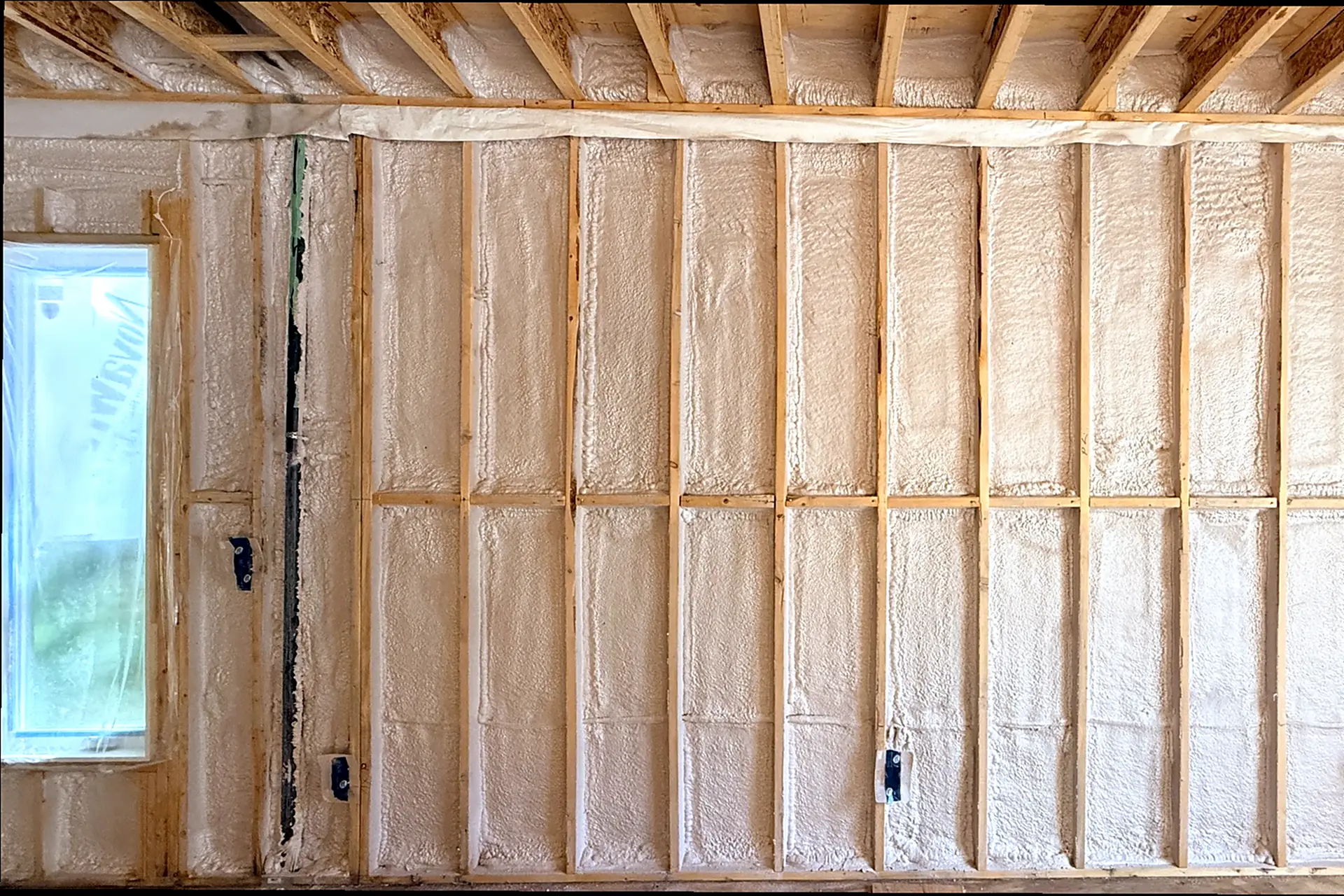
Where to focus: air sealing above all, with spray foam insulation at rim joists and irregular foundation walls, and AeroBarrier for whole-house tightening. In older attics, leave any vermiculite undisturbed until it has been assessed.
For more on how these communities differ, read one region, four very different attics, a guide from Burlington’s lakeshore to rural Acton and Halton’s housing stock is a study in contrasts.
Do not stop at the attic
Natural Resources Canada notes that basements and uninsulated walls can lose more heat than a typical attic. If the attic is already in good shape, the next gains are lower in the house. Not sure which material suits which location? See spray foam vs everything else.
The jobs you can do yourself
- Weatherstrip exterior doors and the attic hatch.
- Caulk window and door trim.
- Change the furnace filter and keep registers clear.
Natural Resources Canada’s materials guide covers the products.
Savings and rebates
The U.S. EPA estimates that air sealing and adding insulation in attics, crawl space floors and basements saves an average of 15% on heating and cooling costs (ENERGY STAR). That is a modelled U.S. average and will not match every home.
Rebate rules are the same across the region. See the region-wide guide to insulation rebates in Halton and our energy rebate page.
Wherever you are in Halton
Contact us for an estimate and we will look at what your house needs.