
“Do I need spray foam?” is one of the most common questions we get across Halton — and the honest answer is usually “for some parts of your home, maybe; for others, definitely not.”
Spray foam is excellent, and also the most expensive option. Using it where it’s needed and something cheaper where it isn’t is how you get a warm home without overpaying. So instead of selling you foam for everything, here’s a plain navigator: which insulation does your home need, and where — across Burlington, Oakville, Milton, and Halton Hills.
The tools, in one table
| Service | What it’s for | Where it shines |
|---|---|---|
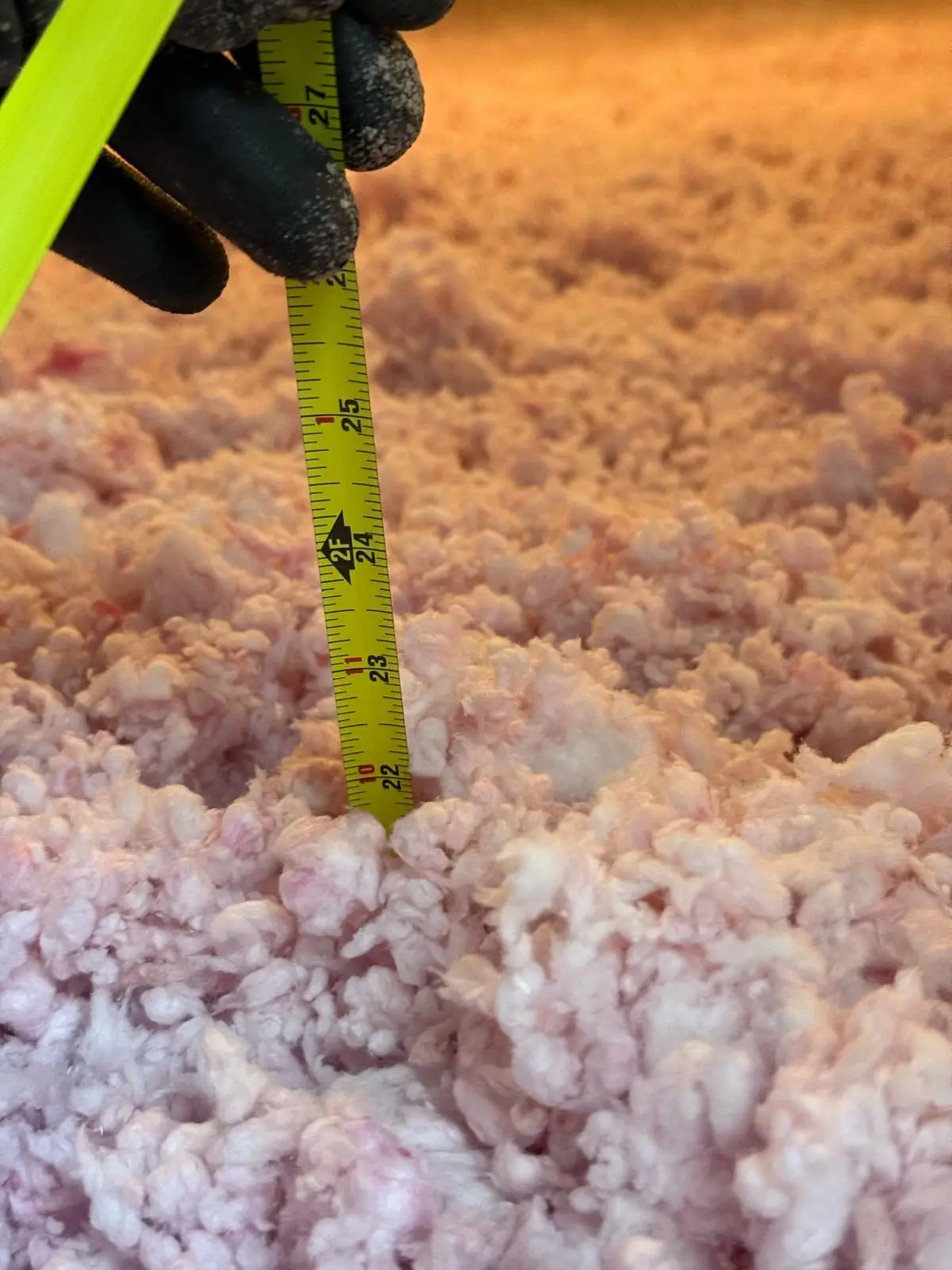
| Blown-in (cellulose/fibreglass) | Attic floors | The most cost-effective way to hit R-50/R-60 in an open attic |
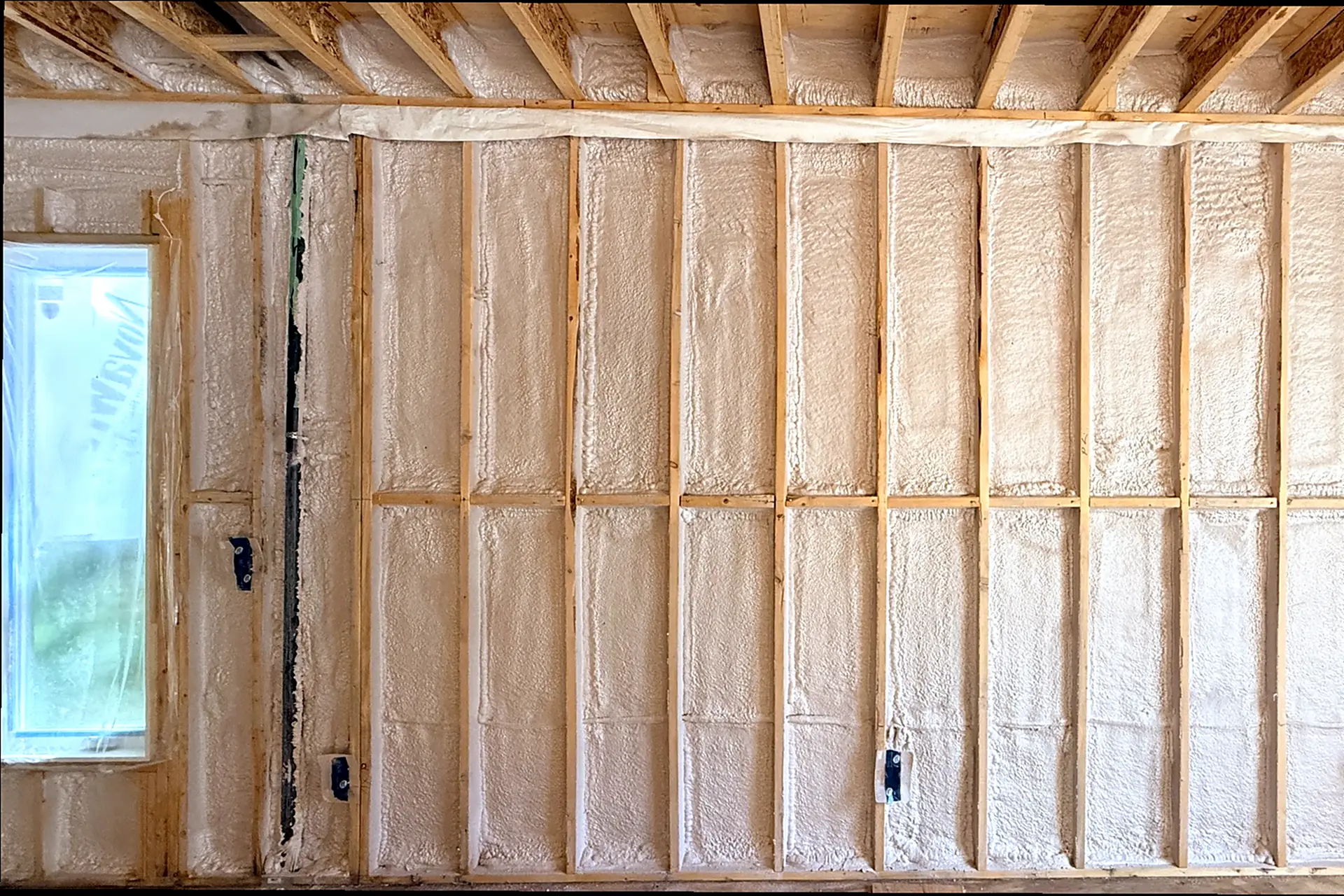
| Closed-cell spray foam | Seal + insulate + moisture barrier in one | Basements, crawlspaces, rim joists, cold floors, shallow/cathedral roofs |
| Open-cell spray foam | Seal + insulate (no moisture barrier) | Interior walls, sound dampening |
| Drill-and-fill | Insulating closed walls without opening them | Older homes with uninsulated walls |
| AeroBarrier | Whole-home air sealing, measured | Comprehensive efficiency / deep retrofits |
| Mineral wool (Safe & Sound) | Sound control | Quiet between rooms/floors |
Now match them to your actual problem.
“My upstairs is cold and my bill is high”
You need: blown-in attic insulation (plus air sealing) — not foam.
The attic floor is the biggest heat-loss path in most homes, and an open attic is best served by cost-effective blown-in, topped to R-50/R-60, after the ceiling is air sealed. Foam’s premium isn’t needed on an accessible attic floor. This is true across Halton — Burlington, Oakville, Milton, Halton Hills. Attic insulation in Halton → · Cellulose blown-in →
“My basement is cold, or I’m finishing it”
You need: closed-cell spray foam on the foundation walls and rim joist.
A concrete foundation is cold and passes moisture. Closed-cell foam sprayed on it seals, insulates, and acts as its own moisture barrier — the durable way to make a basement warm and dry, especially if you’re finishing it into living space. Framing and stuffing batts against bare concrete risks mould behind the drywall. Closed-cell spray foam →
This applies to a Milton builder basement, an Oakville lower level, a Burlington basement apartment, or a Georgetown century-home cellar alike.
“My floors are cold” (crawlspace, or over a garage/porch)
You need: closed-cell spray foam — where the cold is coming from.
Cold floors usually mean a cold space underneath: a crawlspace (common in older Halton Hills and rural homes), or a room over an unheated garage or porch. Closed-cell seals and insulates these. A crawlspace has to be done as a system (vapour barrier, wall foam, rim joist, plus combustion/radon attention). The garage-ceiling case is its own service. Garage ceiling insulation →
“My old walls are freezing”
You need: drill-and-fill — not a gut renovation.
Many older Burlington, Oakville, and Georgetown/Acton homes have little or no wall insulation. You usually can’t open the walls without a major renovation — so drill-and-fill insulates them through small holes, then patches. A low-disruption way to warm up an older home. Drill and fill →
“I want the house genuinely efficient, not just warmer”
You need: whole-home air sealing (AeroBarrier), plus the above.
If you’re after real efficiency — a deep retrofit, not just a top-up — air sealing matters as much as insulation. AeroBarrier seals the entire building envelope at once and measures the result, catching the hundreds of small leaks hand-sealing can’t. Ideal for a comprehensive upgrade. AeroBarrier →
“I just want it quiet in there”
You need: mineral wool (Safe & Sound) — not foam.
For quiet between rooms or floors — a home office, a media room, a teen’s space — dense mineral wool outperforms foam for sound and costs less. Closed-cell foam is rigid and actually transmits noise, so it’s the wrong tool for a sound problem. Safe and Sound → · Open-cell foam → for partitions
The honest rules that save you money
Use foam where it’s necessary, blown-in where it’s sufficient. Foam earns its premium in basements, crawlspaces, rim joists, and shallow assemblies. On an open attic floor, blown-in gets the same warmth for less. Anyone quoting foam for your whole house — including the attic floor — isn’t optimising your money.
Fix water before any below-grade foam. Insulation doesn’t fix a wet basement or crawlspace; foam over a leak hides it. Always resolve moisture first.
Air sealing comes before insulating. Sealing the leaks first means you’re not burying them under new insulation.
Combustion safety is part of tightening a house. Sealing a home (or a crawlspace with a furnace) tight requires attention to combustion air, venting, and CO detection. It’s part of doing it right.
Practical questions
Do I need to leave during spray foam? We install Insulthane Extreme by Elastochem and residents can generally remain; we’ll discuss ventilation and re-entry, and flag any respiratory sensitivities.
Can you do more than one of these in one job? Yes — most homes need a combination (e.g. blown-in attic + closed-cell rim joist + air sealing), and we can do insulation and drywall together. One assessment covers all of it.
How do I know what MY home needs? That’s what the free assessment is for — we look at the whole home and tell you which services actually apply, and where foam is and isn’t worth it.
Does this qualify for the rebate? Most of these measures (attic, walls, basement, crawlspace, rim joist, air sealing) qualify under the rebate program, depending on R-values and coverage. Halton rebate guide →
⚠️ Program terms change — confirm at homerenovationsavings.ca.
Not sure what you need? That’s what the assessment is for
Across Halton, most homes need a mix — and the point is to spend on what actually helps. We’ll assess your home, tell you honestly which services apply and which don’t, and quote a fixed price. No foam-for-everything upsell.
Pro Insulation Contracting has insulated Ontario homes for over 10 years and serves all of Halton Region — Burlington, Oakville, Milton, and Halton Hills.
📞 (416) 315-0471 · Book a free assessment →